L&D for the AI era
Transform how you train people for the AI era.
Type a prompt, paste a script, or upload a SOP. Get a narrated training video in minutes.
No credit card required

Trusted by teams at





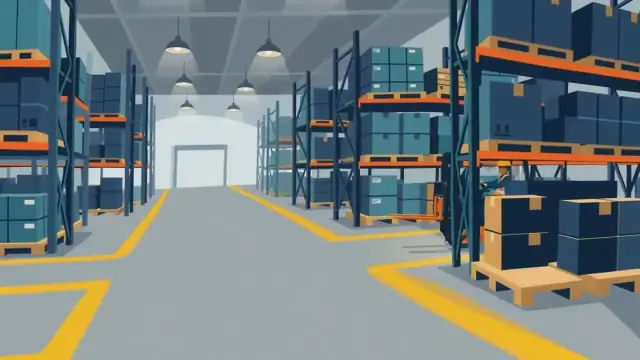
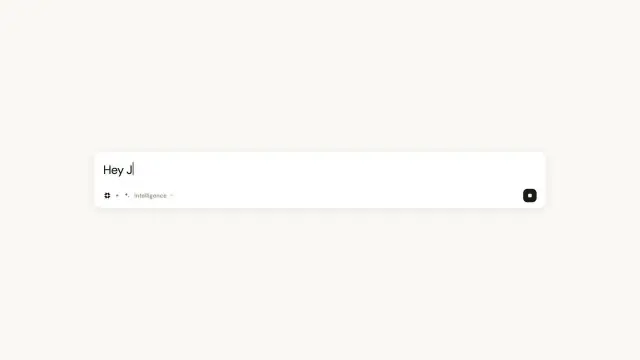

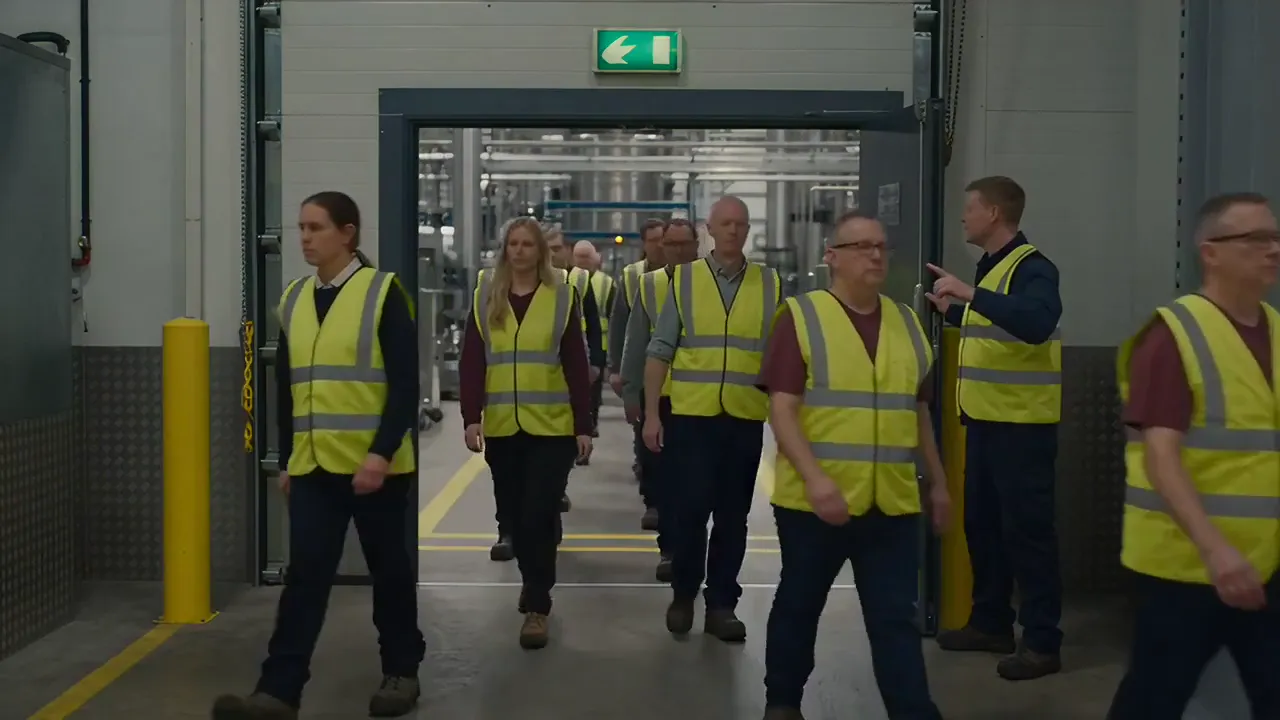
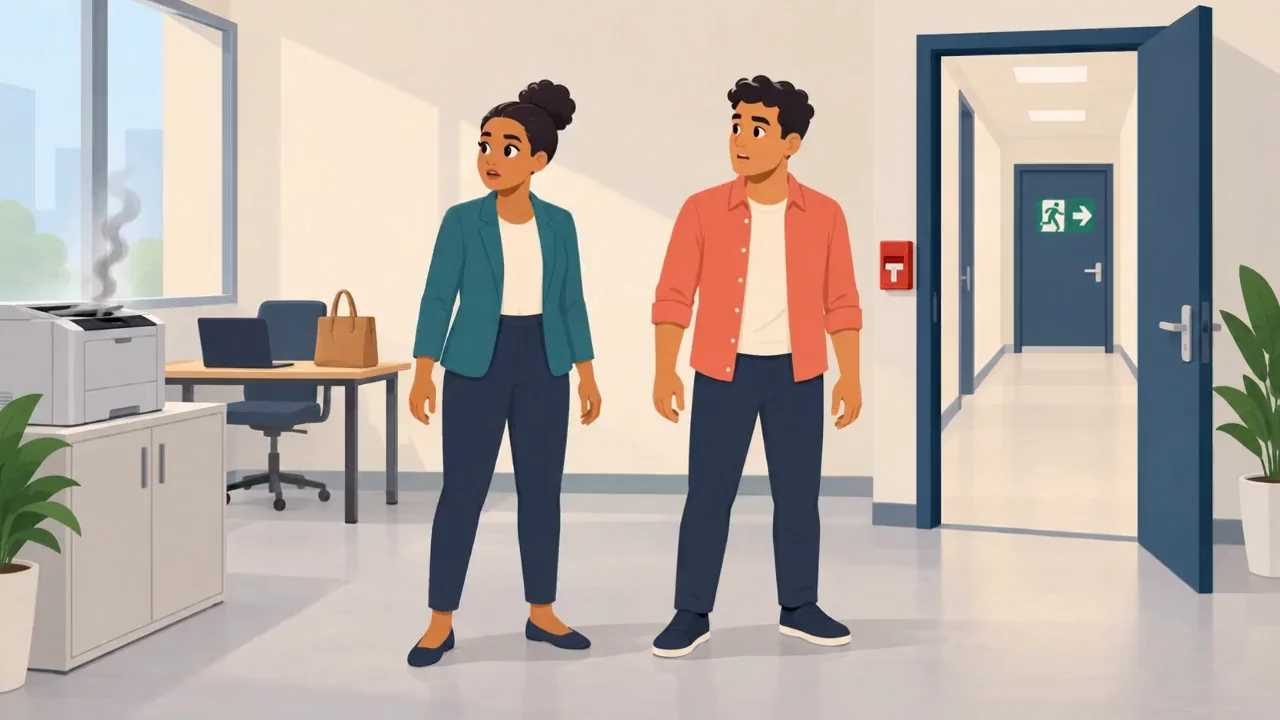
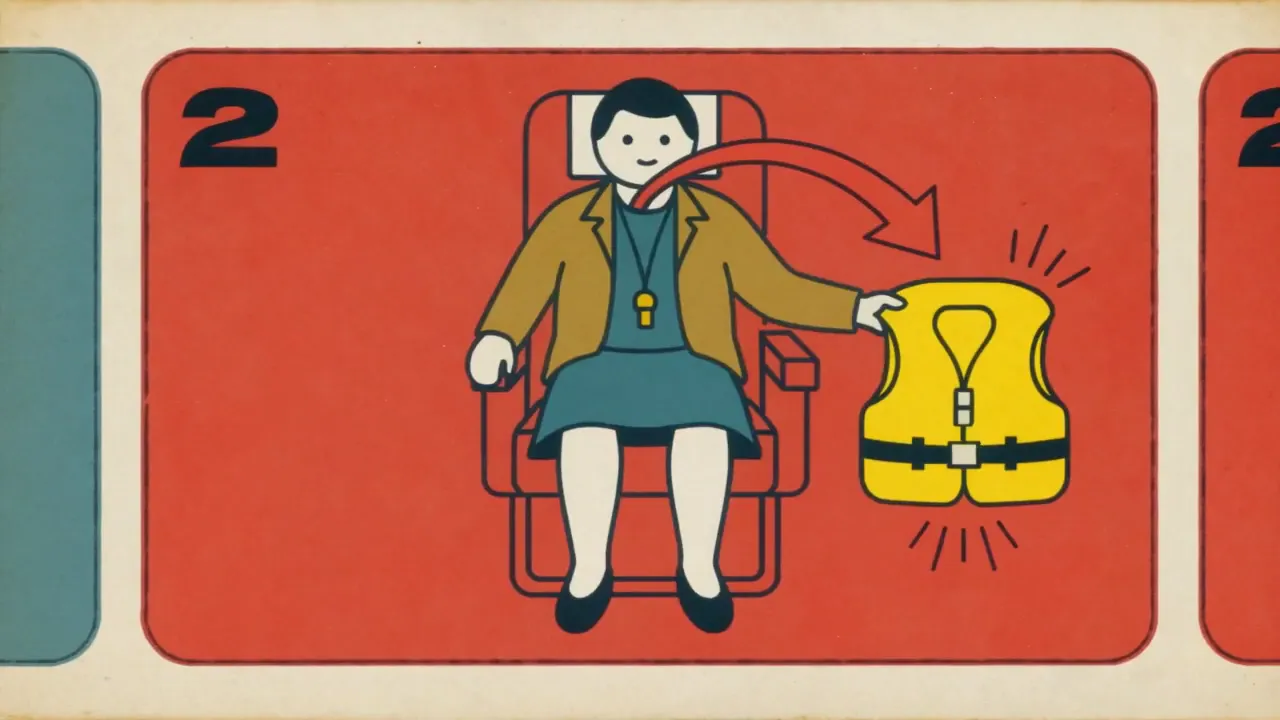
Start from a prompt, doc, or URL.
Knowlify drafts a narrated, animated video in minutes.
The shift
The old stack was not built for the AI era.
Work is changing faster than courses can ship. Training has to transform with it, or it trains people for a job that no longer exists.
Before
The transformation
A course is a project that takes a quarter.
A training video in minutes, from the SOP you already have.
Storyboards, editors, and a specialist with a timeline.
Anyone on the L&D team can ship.
Content that is outdated the week it launches.
Update the source. Re-render. Stay current.
People trained for the job as it was.
People prepared for the work that is coming.
Before
- A course is a project that takes a quarter.
- Storyboards, editors, and a specialist with a timeline.
- Content that is outdated the week it launches.
- People trained for the job as it was.
The transformation
- A training video in minutes, from the SOP you already have.
- Anyone on the L&D team can ship.
- Update the source. Re-render. Stay current.
- People prepared for the work that is coming.
How it works
A document in. Training video out.
Knowlify turns the knowledge you already have into narrated video people will actually finish, then keeps it current as the work changes.
Your knowledge
- PDFs
- Slides
- SOPs
- Docs
- Scripts

A document in. A training video out.
Ready to ship
- Training videos
- Onboarding modules
- 140+ languages
- Policy explainers
- Updates in minutes
Teams already making the shift
L&D, operations, and training leaders using Knowlify to ship video from the documents they already have.













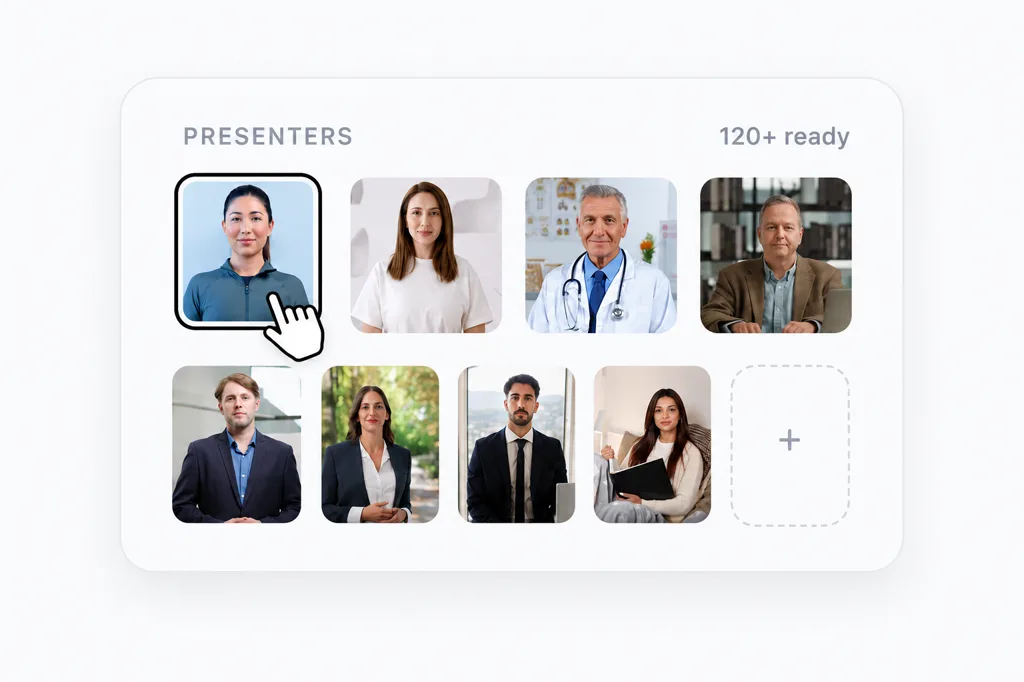
Inside the platform
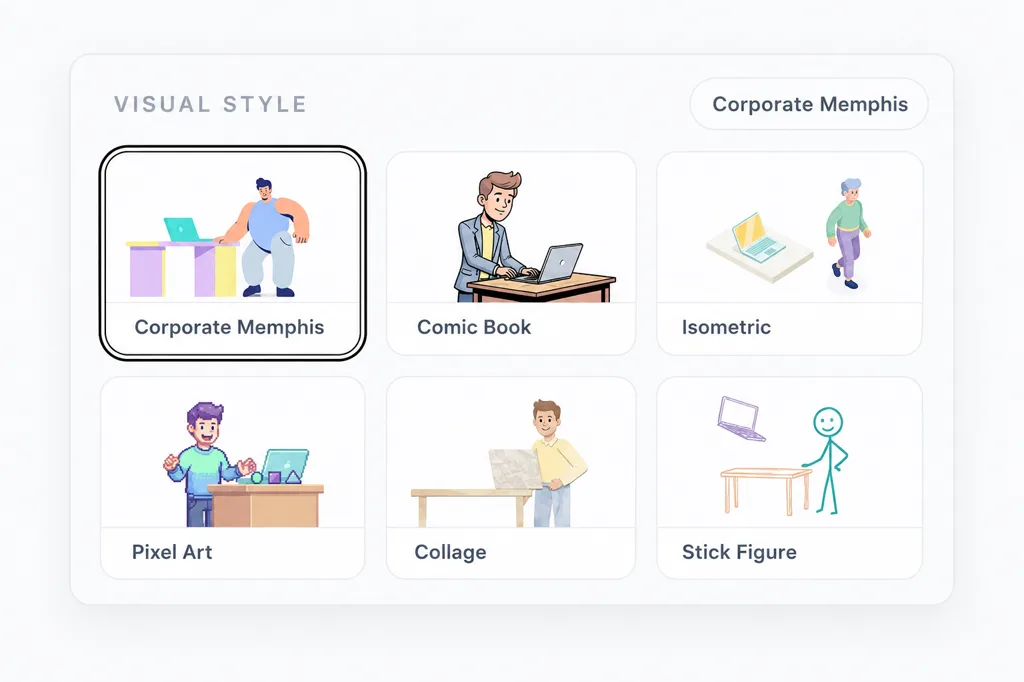
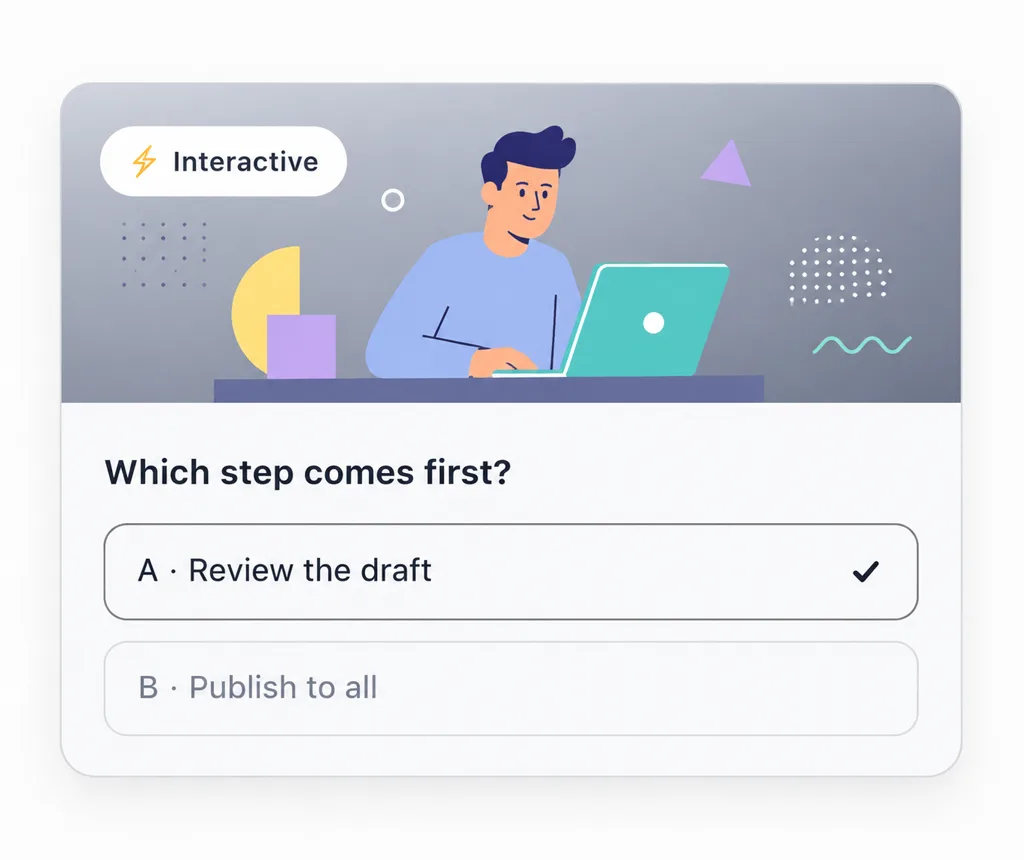
Everything you need to make a video
Built for how L&D actually buys
Security and delivery, in the same platform.
GDPR compliant
DPAs, data minimization, and deletion on request, ready for your IT team’s review.
SSO and SAML
Okta, Azure AD, Google, and other SAML 2.0 providers, with SCIM for provisioning.
Your content stays yours
Documents and videos are never used to train our models. You can delete them at any time.
SCORM to your LMS
Export packages your learning platform can track, or share a video with anyone.
Leave the old training stack behind.
 Articulate
 Adobe Captivate
 Canva
Canva Camtasia
 Vyond
Vyond Powtoon
 Synthesia
 PowerPoint
FAQ
Platform questions
What is the Knowlify Platform?+
The Knowlify Platform is a self-serve AI video tool. You upload a document or type a prompt and the platform writes the script, builds a scene-by-scene storyboard, generates a voiceover, and animates a finished video. You can edit any scene and re-render in minutes, with no editing software to learn.
How is the Platform different from Studio?+
The Platform is self-serve: you make narrated, animated videos yourself in minutes, from the documents you already have. Studio is done-for-you: our production team writes and animates a high-stakes video for you.
What can I upload to create a video?+
PDFs, Word docs, Google Docs, slide decks, blog posts, outlines, and plain text. The AI reads your content and turns it into a structured video with a scene for each key idea. You can also start from just a prompt.
Is the Platform free to start?+
Yes. You can start free, type a prompt or upload a document, generate your first video, and edit the script before rendering. No credit card. Paid plans add more credits, longer videos, and team features.
Can I edit a video after it is generated?+
Yes. Edit the script line by line, tweak per-scene motion, or chat with the AI in plain English, then re-render instantly. You change a sentence instead of reworking a hundred keyframes.
Can I apply my brand and add a presenter?+
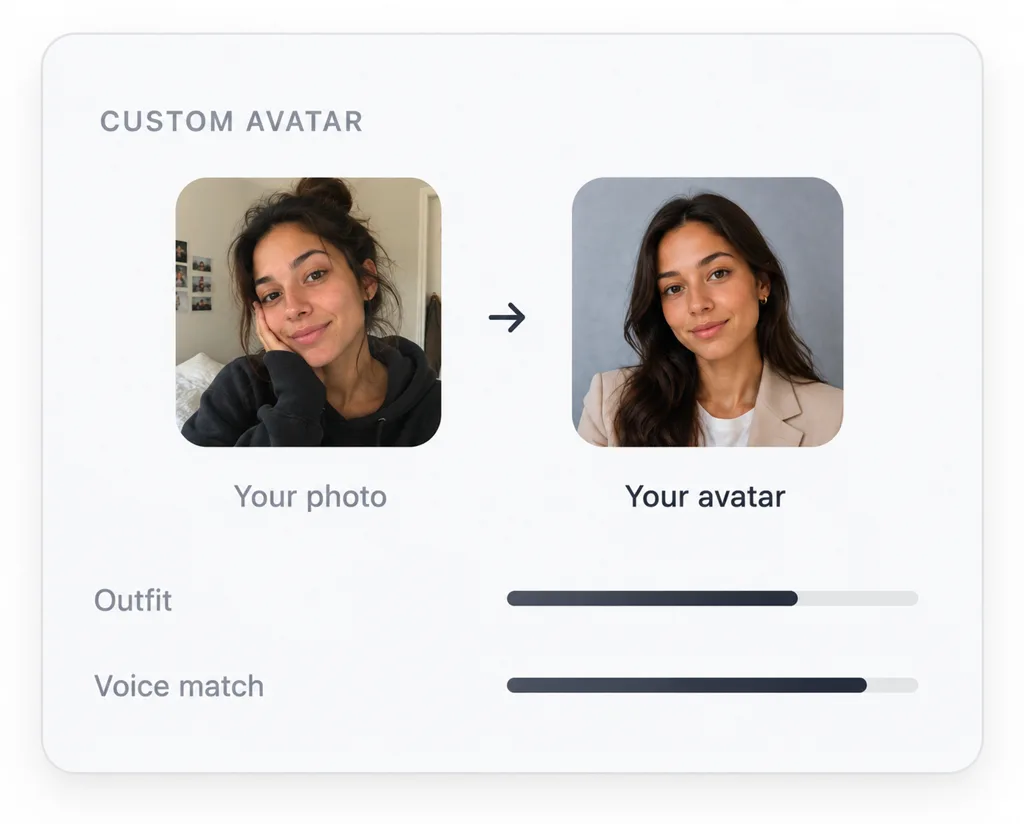
Yes. The brand kit fetches colors from your website or extracts a palette from an image and applies your logo and colors across every scene. You can also add an AI avatar host or upload a photo to create a custom digital twin presenter.
What languages and voices are supported?+
Knowlify supports a wide range of natural AI narration voices and accents, and you can clone your own voice or add a custom voice ID so videos sound like your brand in your audience’s language.
Is the Platform good for making lots of videos?+
Yes. It is built for teams producing video at scale, like training libraries, onboarding, ongoing updates, and content programs. Reuse your brand, voice, and style so every new video stays consistent.
From prompt to video
Transform your first module free
Type a prompt or paste a script and get a narrated, animated video in minutes. Uploading a document works too. No credit card.
Knowlify Studio · Made for you
Your training library. Our production team.
Bring your learning goals and source material. A dedicated team handles scripting, storyboarding, narration, and production, so your experts can focus on the knowledge that matters.
- Annual libraries from 60 to 300 training videos, from $2,940/yr
- Script from your docs, on-brand animation, voiceover, and SCORM/MP4 delivery
- Modules delivered monthly, 5–10 days each after source lock
Or try Studio with a $499 sample: 3 videos in your brand, credited to your first month.